Economic development is usually discussed through the things we can count: jobs created, investment secured, homes built, infrastructure delivered and productivity improved. These measures matter, and no serious place strategy can ignore them.
But successful places are shaped by something less tangible too. They need a story about who they are, what they value and what they might become.
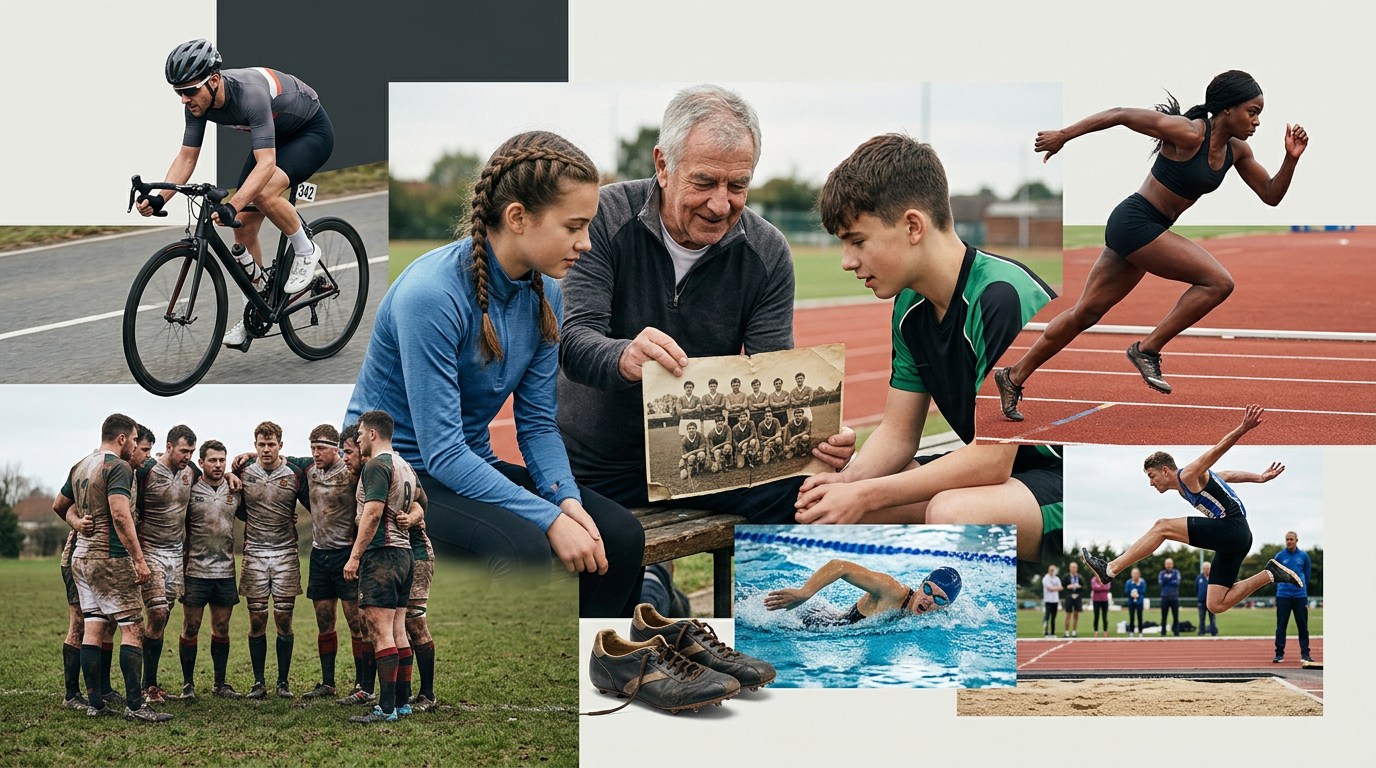
That thought came through strongly at the recent launch of Ulster Sports Legacy at Studio Ulster in Belfast, which Coast to Capital is proud to support as a founding sponsor. The initiative is built around a simple idea: the region has an extraordinary sporting history, and those stories are worth preserving not simply because they belong to the past, but because of what they can do in the future.
Ulster Sports Legacy is intended to celebrate sporting achievement across different disciplines and communities, beginning with the stories themselves. Its approach starts with community engagement and curation, develops through digital content, events and exhibitions, and could ultimately lead to a permanent visitor attraction. The ambition is not simply to assemble trophies and memorabilia. It’s a project capable of bringing communities together, inspiring pride and ambition, improving wellbeing and strengthening the way Ulster presents itself to the wider world.
The underlying material is certainly there. Ulster’s sporting history includes Olympic, World and European champions, internationally recognised footballers, golfers, boxers, rugby players, motorsport figures and many others. However the most interesting aspect of the project is that it looks beyond the household names. The aim is also to capture the memories, artefacts, oral histories and community stories that surround sporting achievement.
That matters because the identity of a place is rarely created by a marketing campaign. It develops through the accumulated experiences people associate with it: institutions, industries, landscapes, buildings, events, personalities and moments that become part of a shared memory.
Sport is particularly powerful in that respect. People remember where they were when something happened. Stories are passed between generations. Clubs become part of neighbourhood identity. Success can create a sense of collective ownership even among people who never stepped onto the pitch, track or field themselves.
Discussions at the launch event emphasised this point, describing sport as capable of building bridges and contributing to reconciliation and mutual understanding. It also links sporting success with hope, resilience, optimism and ambition. Those ideas can sound difficult to quantify, but they are not unimportant simply because they do not fit neatly into a spreadsheet.
This is where there is a wider lesson for economic development.
Place identity is sometimes treated as something that comes after the ‘serious’ work has been done. Develop the economic strategy, identify the sectors, build the infrastructure, attract the investment — and then find a slogan that communicates it.
The stronger places tend to work the other way around. They understand what is distinctive about themselves and build from it. Their economic story connects to their history, institutions, communities and existing strengths. That does not mean being trapped by the past. It means recognising that people are more likely to support and participate in change when they can see themselves in the story being told.
There is an important distinction here between a genuine place story and place branding. Economic development is not short of places claiming to be ‘world class’, ‘globally connected’ or home to an ‘unrivalled’ combination of assets. Those claims have their place, but they do not create identity on their own. A meaningful place narrative has to be recognisable to the people who live and work there. It has to be rooted in something real.
Ulster Sports Legacy illustrates that well because it begins with existing stories and asks how they can be uncovered, shared and used to inspire further participation. Its stated community benefits include stronger confidence and belonging, more cohesive communities, better places to live and work, new skills and a contribution to a successful economy.
Those objectives connect naturally with the work of economic development organisations. We spend a great deal of time thinking about the physical and financial ingredients of successful places, but relationships and shared identity matter too. Businesses invest in places, but they also become part of them. Universities, colleges, councils, cultural organisations, community groups and employers all contribute to the story a place tells about itself.
That shared understanding can make collaboration easier. It can help build local pride without slipping into boosterism. It can give young people examples of what has been achieved before them and encourage them to imagine their own contribution. It can also give outsiders a more compelling sense of what makes a place different.
None of this replaces the fundamentals. A strong story cannot compensate for poor infrastructure, weak skills or a lack of economic opportunity. But nor should we assume that those tangible assets are enough on their own.
Good place leadership involves both: creating the conditions for economic success while helping communities understand what they are building on and what they are building towards.
That is why Gordon Lyons question at the Ulster Sports Legacy launch is worth considering far beyond the sporting world: ‘How do we ensure that the achievements of today become the inspiration for tomorrow?’
Every place has stories worth telling. The challenge is to recognise which ones genuinely belong to the community, preserve them, and use them to help shape what comes next.